Su Myat Noe
Ph.D. · Project Researcher, National Institute of Informatics (NII), Tokyo
Multimodal AI Safety · Multilingual LLM Evaluation · Vision-Language Models
"To build AI that is powerful, responsible, and accessible."
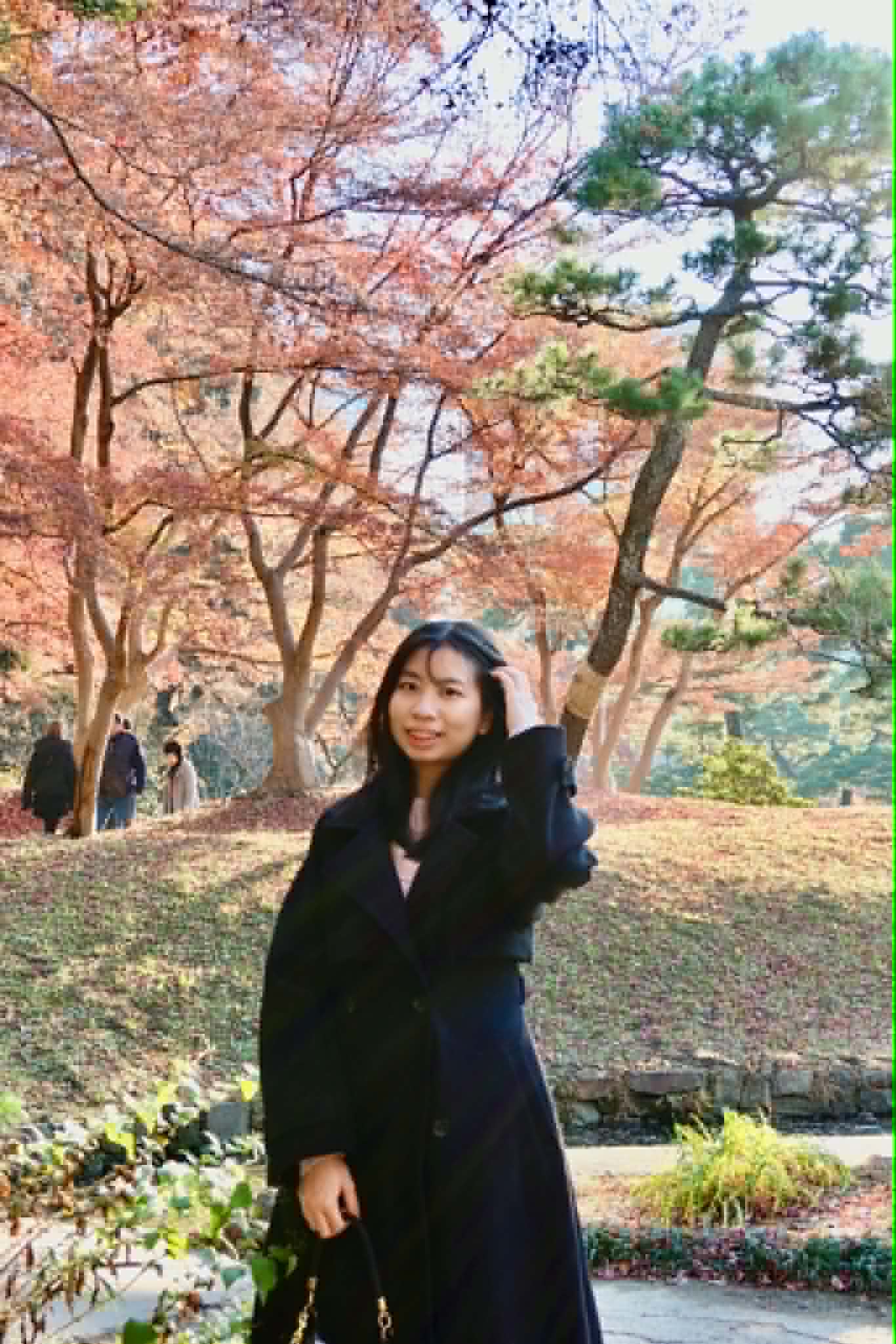
This is Su Myat Noe. Currently, I am a Project Researcher at the Research and Development Center for Large Language Models (LLMC) of the National Institute of Informatics (NII), Tokyo. Previously, I obtained my Ph.D. in Computer Science from the University of Miyazaki under the supervision of Prof. Thi Thi Zin, supported by the JST Doctoral Researchers Grant.
My research direction focuses on multimodal AI safety evaluation for vision-language models, particularly across multilingual and cross-cultural settings. My previous research direction was multi-camera computer vision for livestock tracking (yes — cattle 🐄, and yes, the work ended up in Nature Scientific Reports). Any interesting discussion is welcome, and my full publications can be accessed from Google Scholar.
Currently, I am working on research related to:
- Multimodal AI Safety
- Vision-Language Model evaluation across languages and cultures
- LLM-as-Judge pipelines for safety benchmarks
- Japanese Agentic AI Benchmarks
I build AI safety tools at NII. The short version: when frontier vision-language models meet the messiness of real languages and cultures, I'm one of the people checking whether they actually hold up.
I didn't always think this way. During my Ph.D., I spent 5.5 years building computer vision systems to track cattle across multi-camera farms. Watching farmers depend on a model I'd written quietly rewired how I think. I stopped asking "can it work?" and started asking "is it safe when someone actually depends on it?"
Outside the research life, I'm probably just another curious builder chasing late-night ideas with coffee, notebooks, and too many half-finished side projects ☕ My latest weekend obsession is AI Workshop Radar — a tiny open-source tool I built after missing one too many submission deadlines (don't ask). I also write on Medium and Substack, mentor students, organize tech events, and turn up at AI meetups around Tokyo. Honestly, a lot of my best opportunities and friendships came from community spaces, not formal meetings.
When I'm not coding or writing, you'll find me at the gym, on a pilates reformer, or trying to convince myself that yoga counts as productivity. (It does — clearer head, better code 🧘♀️) Originally from Myanmar 🇲🇲 and based in Japan 🇯🇵 since 2019, I serve as a Women in AI Myanmar Ambassador & Board Member, a GDG Tokyo volunteer, and Session Chair at AAAI 2026 & ICAART 2026. I work across English, Japanese (JLPT N3), and Burmese — because good ideas shouldn't have to cross language barriers alone.
If you're building something impactful, experimental, community-driven, or a little bit crazy — let's talk. I'm probably just one message away.
Journals
Conference Papers
Full list: 4 journal papers (Scopus-indexed) · 12 conference papers · Google Scholar ↗
I believe access to AI education should not depend on geography, gender, or privilege. Since 2022, I have served as an Ambassador — and now Board Member — of Women in AI Myanmar, helping lead national programs that open doors for students exploring AI for the first time, with a focus on women and underrepresented communities.
In 2025 alone, these programs reached over 900 participants across three initiatives:
participants
(89 selected for 6-month program)
session participants
As a trilingual communicator (English · Japanese · Burmese), I also publish AI articles on Medium and speak at events across global communities — translating cutting-edge research into accessible insights for audiences encountering these ideas for the first time.
Open to research collaborations, applied scientist roles, and conversations about multilingual AI safety in the APAC region. Also always up for a coffee chat about side projects, community building, or new ideas — formal or completely informal.
Email: sumyatnoe.uit [at] gmail.com